
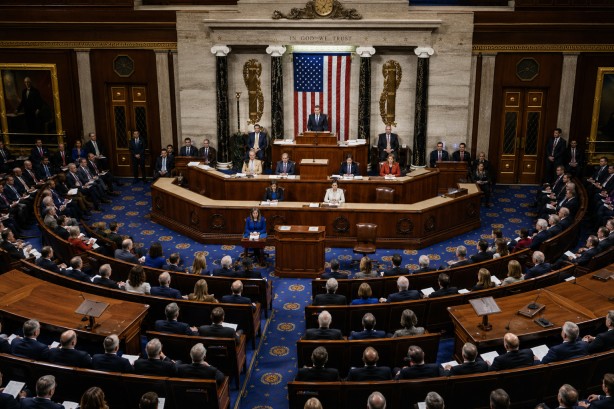
The U.S. House of Representatives has passed the National Defense Authorization Act (NDAA) with a budget of $1.15 trillion, a decision that underscores deep partisan divides over military spending and policy. The bill, which saw a 216-212 vote, advances significant defense investments, including 5% to 7% pay raises for military personnel, and now awaits Senate consideration.
Republican leaders argue that the bill is essential for modernizing the military and enhancing national defense capabilities. However, Democrats have largely opposed the measure, criticizing the hefty defense budget amidst proposed cuts to domestic programs. The debate has been further complicated by political disagreements over President Donald Trump’s military actions in the Middle East, particularly his decision to launch strikes against Iran without congressional approval, raising concerns about increased U.S. military involvement in the region.
Another contentious point within the NDAA is the inclusion of voting-related provisions supported by Trump, such as stricter voter ID requirements and limitations on mail-in voting. Democrats argue that these measures are inappropriate in a defense bill. During discussions, the House also faced intense debates over amendments related to transgender military policies and defense healthcare, though a proposal to cease U.S. military aid to Ukraine was rejected.
In a separate action, House Republicans advanced a budget framework allocating $73 billion for military operations involving Iran. This figure remains significantly lower than the Pentagon’s broader defense funding request but reflects ongoing concerns and strategic priorities regarding U.S. military presence in the region.