
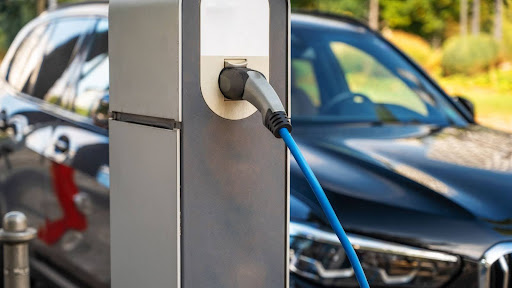
American gas prices have crossed a threshold that is hard to ignore. At $3.90 per gallon, fuel costs have not been this high in nearly three years, and consumers are starting to look for alternatives. Data from automotive research platforms shows a notable surge in electric vehicle interest, directly correlated with the start of US and Israeli military operations against Iran three weeks ago.
The price increase at the pump can be traced back to Iran’s closure of the Strait of Hormuz. That move, taken in response to the military strikes, has effectively cut off a passageway used to transport about 20 percent of the global oil supply. With that volume of supply suddenly in question, oil markets tightened and prices rose, resulting in measurably higher gasoline prices for American drivers.
Car-buying platform CarEdge reported a 20 percent uptick in searches for electric models, with the surge beginning almost immediately after the conflict began. Analyst Justin Fischer said that if high gas prices persist for several more weeks, even larger increases in EV interest should be expected. Edmunds confirmed similar patterns of increased EV research activity on its platform, with Jessica Caldwell highlighting that fuel prices are a powerful motivator because they are impossible to avoid.
The used EV market is emerging as a realistic pathway into electric transportation for a broader range of Americans. Pre-owned Teslas, Nissan Leafs, and Chevy Equinoxes are now priced under $25,000, representing a notable improvement in accessibility compared to just a few years ago. Caldwell described the current inventory of affordable used EVs as something that would likely move quickly given current fuel economics.
Hybrid cars are also positioned to benefit from heightened consumer interest in fuel-efficient vehicles. Toyota’s Camry and RAV4 hybrids, for example, appeal to buyers who want to cut fuel costs without dealing with charging infrastructure concerns. Even so, long-term EV growth faces headwinds from policy reversals and reduced automaker investment, as well as range anxiety and charging access concerns among potential buyers.