
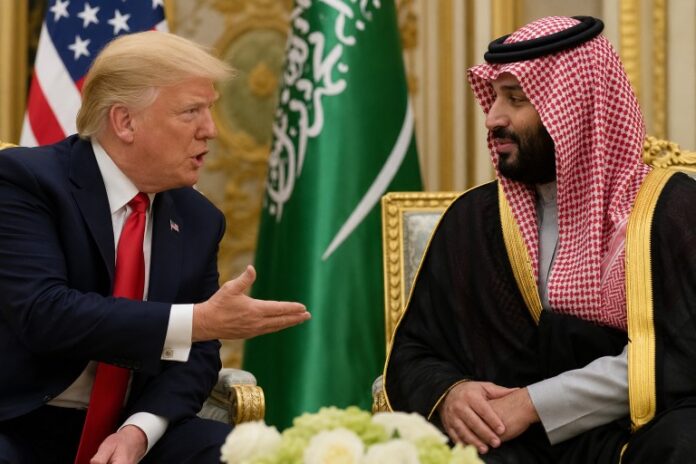
The United States has entered into a groundbreaking civil nuclear cooperation agreement with Saudi Arabia, marking a pivotal moment in the energy and strategic relations between the two nations. This agreement was signed by US Energy Secretary Chris Wright and Saudi Energy Minister Prince Abdulaziz bin Salman. It establishes a framework for peaceful nuclear cooperation and includes a bilateral safeguards agreement, which aims to ensure the peaceful use of nuclear energy.
Though the full details of the agreement remain undisclosed, it may pave the way for Saudi Arabia to potentially develop its own uranium enrichment capabilities, pending additional approvals and oversight. The agreement is set to be reviewed by the US Congress, where it will face scrutiny regarding its nonproliferation safeguards and monitoring measures.
Negotiations for this civil nuclear partnership have been ongoing for several years. Proponents of the agreement believe it will boost American nuclear technology exports, create jobs, enhance energy security, and solidify the long-term strategic alliance between Washington and Riyadh. Saudi Arabia has long expressed an interest in diversifying its energy portfolio by incorporating nuclear power alongside renewable energy sources.
The US administration has assured that the agreement adheres to international standards for nuclear safety and nonproliferation, emphasizing its role in maintaining American leadership in the global civilian nuclear energy sector. However, the agreement has raised concerns among some lawmakers and nonproliferation experts. They have voiced apprehensions about the potential for future uranium enrichment activities in Saudi Arabia and stressed the importance of stringent international oversight.
Saudi Arabia has previously indicated that it would seek nuclear technology partnerships with other nations if a deal with the United States was not reached. This agreement appears to prevent such a shift, while also addressing the kingdom’s energy diversification goals.