
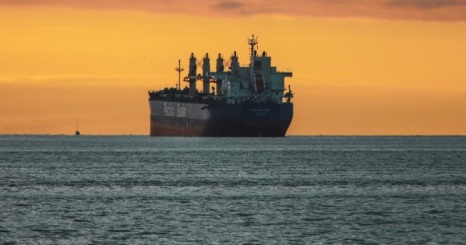
Global oil prices experienced a notable decline on Friday following remarks by US President Donald Trump regarding a potential peace agreement with Iran. This development stirred hopes for a reduction in tensions at the crucial Strait of Hormuz. In response, Brent crude prices briefly fell below $85 per barrel, a drop from the approximately $93 observed earlier in the week, before stabilizing between $87 and $89 as the market absorbed mixed signals from Washington and Tehran.
The initial drop in oil prices was fueled by optimism that a deal could potentially lead to the reopening of the Strait of Hormuz, a key waterway for global oil and gas exports. However, the partial recovery in prices came after uncertainty resurfaced due to conflicting messages from both sides about the negotiations’ progress. President Trump indicated that military actions planned against Iran were on hold due to progress in discussions, yet he also dismissed claims that a final agreement had been reached. Meanwhile, Iranian officials confirmed that talks were ongoing, but no conclusive deal had been established.
Market analysts highlight that oil prices are extremely sensitive to political developments, with fluctuations driven by headlines related to potential conflicts or diplomatic resolutions. The recent volatility underscores the market’s reaction to the geopolitical climate, where prices can swing sharply based on emerging news.
Despite the recent fluctuations, some financial experts foresee a gradual stabilization of oil prices as global supply conditions improve and oil stockpiles are replenished. Nevertheless, predictions remain uncertain due to the persistent geopolitical risks and the variability in demand.