
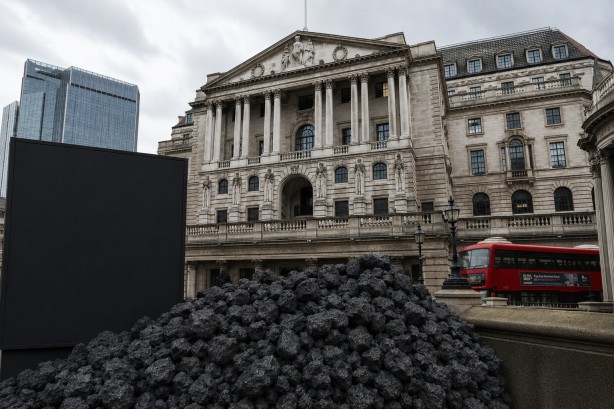
The Bank of England will cease to accept bonds tied to thermal coal companies as collateral for its lending activities starting this October, in a decisive move to mitigate climate-related financial risks. This policy change marks a substantial shift in the central bank’s approach to managing its exposure to environmentally harmful industries.
Commercial banks frequently utilize bonds as collateral to borrow from the central bank, facilitating their daily operations and transaction settlements. However, with the new policy, bonds associated with thermal coal, a key fossil fuel used for electricity generation in power plants, will no longer qualify as acceptable collateral.
The central bank cites the increasing financial risks faced by companies involved in thermal coal, as nations worldwide accelerate their shift towards cleaner energy sources and the goal of achieving net-zero emissions. Consequently, assets linked to the coal industry are seen as likely to depreciate over time.
Moreover, the Bank of England’s policy allows for the possibility of imposing discounts on bonds from other sectors deemed vulnerable to climate risks, as part of its strategy to safeguard its balance sheet from potential financial losses. This move has been applauded by environmental groups who view it as a strong message to financial markets, potentially prompting commercial banks to lessen their investments in high-pollution industries. Already, over 150 major financial institutions globally have set restrictions on dealings with the thermal coal sector.
Analysts suggest that the policy’s success will hinge on the thoroughness of climate risk assessments and whether similar regulatory measures will be extended to other ecologically detrimental activities in the future.