
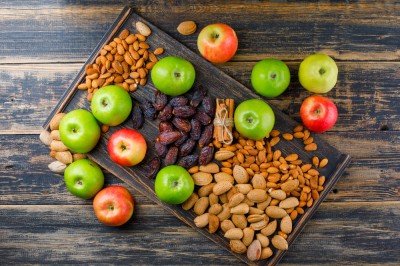
When deciding between fresh fruits and dried fruits, it’s essential to understand the unique benefits each offers to cater to your specific dietary needs. Both forms are nutrient-rich and can enhance overall health, but the choice largely depends on individual lifestyle, nutritional requirements, and portion control. Incorporating a balanced mix of both fresh and dried fruits into your daily diet can significantly contribute to your well-being.
Fresh fruits boast a high water content, making them an excellent source of hydration, particularly in warmer weather. They are packed with vitamin C, antioxidants, potassium, and dietary fiber, which support digestion, heart health, weight management, and gut health. As a refreshing, low-calorie snack, fresh fruits are ideal for breakfast, mid-morning snacks, or pre-workout energy boosts.
On the other hand, dried fruits offer concentrated nutrients in smaller servings due to the moisture removal process. They are rich in minerals like iron, calcium, and magnesium, along with fiber and antioxidants. Nuts such as almonds and walnuts, often categorized with dried fruits, provide healthy fats and plant-based protein, making them a great choice for sustained energy. With their higher calorie density, portion control is crucial when consuming dried fruits, with experts recommending a limit of around 30 grams per day to prevent excess calorie intake.
The primary distinction between fresh and dried fruits lies in their water content. Fresh fruits are laden with water and have fewer calories per serving, whereas dried fruits contain more concentrated natural sugars and calories. This attribute makes fresh fruits more suitable for everyday snacking and hydration, while dried fruits serve as a convenient, nutrient-dense option for quick energy, especially during travel or after workouts.
Various methods such as sun drying, air drying, dehydrators, oven drying, freeze drying, and vacuum drying are used to prepare dried fruits, which help preserve their nutrients and extend their shelf life. Ultimately, the choice between fresh and dried fruits should be guided by your hydration needs, snacking preferences, and energy requirements, ensuring a balanced intake of vitamins, minerals, fiber, and antioxidants for optimal health.