
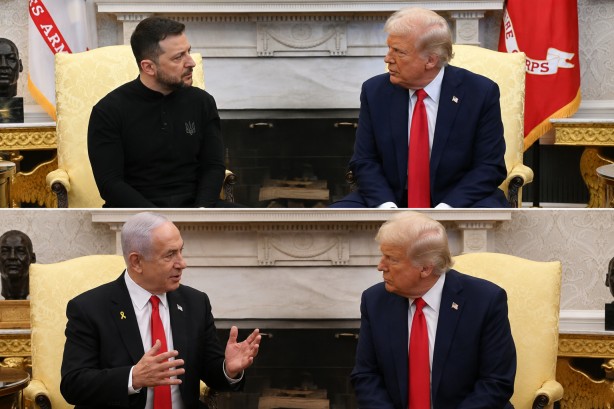
In a series of diplomatic engagements at the White House, U.S. President Donald Trump met separately with Ukrainian President Volodymyr Zelenskyy and Israeli Prime Minister Benjamin Netanyahu. Trump described both meetings as constructive but refrained from providing specific details on the discussions. Notably, Zelenskyy highlighted that the dialogue centered on enhancing Ukraine’s air defense systems, with particular attention to potential arrangements for domestic production of Patriot missile interceptors. Additionally, the leaders explored avenues to rekindle diplomatic talks.
Netanyahu’s visit to the Oval Office was his first since the U.S.-Israel coordinated military efforts against Iran earlier in the year. During their exchange, the topics reportedly spanned regional security issues, including the situation in Iran and Lebanon, as well as initiatives to broaden the scope of the Abraham Accords. This meeting underscored the ongoing strategic partnership between the two nations as they navigate complex geopolitical landscapes.
The timing of these meetings is significant as they occur amidst evolving U.S. foreign policy strategies regarding the conflicts in Ukraine and the Middle East. Both Kyiv and Jerusalem are keen on securing continued American support as they face their respective regional challenges. For Ukraine, bolstering its air defense is crucial, while Israel remains focused on addressing security threats from neighboring regions.
These high-level discussions reflect a broader U.S. commitment to engaging with key allies on pressing international issues. With Ukraine and Israel both seeking to strengthen ties with Washington, the outcomes of these meetings could influence future diplomatic and military collaborations. As the U.S. continues to shape its role in these regions, the focus remains on fostering stability and cooperation through such bilateral talks.