
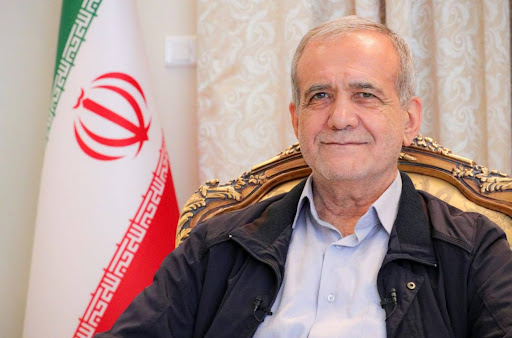
Iranian President Masoud Pezeshkian has turned up the diplomatic heat on Gulf states, issuing a sharp warning that ties their own regional standing and security to their decision about hosting US and Israeli military operations. His statement, released as the Iran-US war exceeded one month, reflects Tehran’s escalating frustration with the Gulf’s role in facilitating the conflict. Iran is clearly intent on making Gulf governments feel the full weight of their choices.
Countries such as Saudi Arabia, the UAE, Kuwait, Qatar, and Oman have been drawn into the conflict through the US military presence on their soil, which has been used to launch attacks against Iran. Tehran has responded with retaliatory strikes against those nations, compounding the damage and instability in the region. Gulf governments are now facing mounting pressure to act in their own interests rather than simply following Washington’s lead.
Pezeshkian communicated on X that Iran’s military approach is strictly defensive but that retaliation for attacks on Iranian infrastructure or economic assets will be swift and forceful. He appealed directly to Gulf leaders, warning them that allowing enemies to direct the war from their territory would cost them both development and security. The message was pointed and deliberate.
Pakistan’s diplomatic initiative has gained considerable traction, with Prime Minister Shehbaz Sharif actively mediating between Iran and other regional parties. Sharif’s meeting with Pezeshkian confirmed that Iran insists on trust as a precondition for any formal peace negotiations. Pakistan’s role has been publicly praised by Tehran, enhancing Islamabad’s influence in the regional peace effort.
A key multilateral meeting in Pakistan is bringing together the foreign ministers of Saudi Arabia, Egypt, and Turkey for intensive consultations on the war. Their discussions with Pakistani Foreign Minister Ishaq Dar and Prime Minister Sharif aim to create a unified regional approach to de-escalation. The talks are being closely monitored as a critical moment in the diplomatic effort to end the conflict.