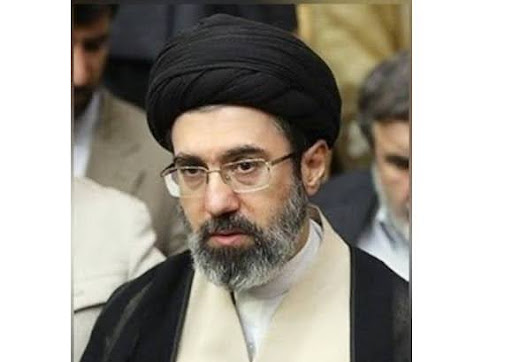
The appointment of Mojtaba Khamenei as Iran’s new supreme leader is, at its most fundamental level, a test of whether the Islamic Republic as a system can outlast the crises being thrown at it. The country has absorbed the assassination of its supreme leader, conducted a successful leadership transition, maintained military operations on multiple fronts, and rallied its institutional establishment — all within a matter of weeks. By any measure, this represents a display of systemic resilience that few outside observers would have predicted.
Mojtaba, 56, was confirmed by the Assembly of Experts on Sunday in a vote described as decisive. He is the son of the assassinated Ayatollah Ali Khamenei, educated in Qom, and deeply embedded in the informal power networks of the regime. His ties to the IRGC and conservative clergy gave him the institutional backing needed to win the Assembly’s confidence. Whether he can exercise the supreme leadership with the authority and strategic clarity the position demands is the next test.
The endorsements that followed were rapid, comprehensive, and coordinated. The IRGC, armed forces, parliament, and security officials all pledged their loyalty. The Houthi rebels offered congratulations. Iranian state media broadcast a managed picture of national unity alongside military imagery. The regime appeared to be performing resilience as well as experiencing it — using the appointment to project a message of strength as much as to address an internal governance need.
External pressure did not relent. Israel launched strikes on Iranian infrastructure on Monday. Iran attacked five Gulf states, with civilian deaths in Saudi Arabia and infrastructure damage in Bahrain. The IRGC threatened oil above $200 per barrel. The United States pledged restraint on Iranian energy infrastructure. Trump warned about Mojtaba’s future. The conflict is far from over.
Whether the Islamic Republic can outlast its current crises depends not just on institutional resilience but on strategic wisdom — the ability to make the right decisions at the right moments under conditions of extreme pressure. Mojtaba Khamenei’s appointment has demonstrated the system’s capacity for the former. The latter remains to be seen. History will judge the Islamic Republic’s survival or failure not by the speed of its succession process but by the quality of the leadership that emerged from it.
Iran’s Transition of Power Tests Whether the Islamic Republic Can Outlast Its Crises
Published on