
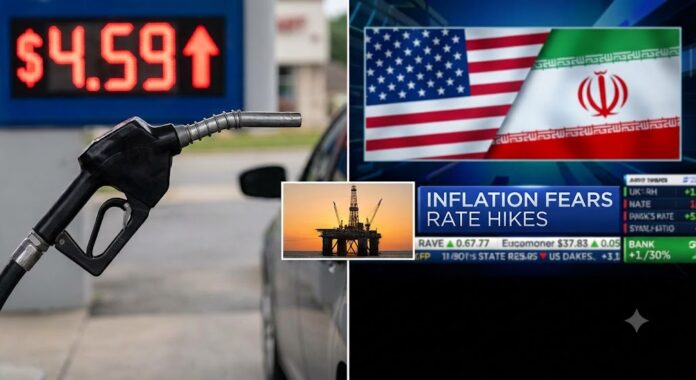
Renewed military tensions between the United States and Iran have led to a spike in global oil and gas prices, sparking concerns over energy supply disruptions and inflationary pressures. In response to the escalating situation, Brent crude surged to its highest point in over a month before stabilizing. The initial surge occurred before U.S. President Donald Trump decided against implementing a proposed 20% fee on ships navigating through the critical Strait of Hormuz, which eased some market concerns.
The fluctuation in energy prices has prompted speculation about potential interest rate hikes by central banks aiming to manage inflation. Both the Bank of England and the European Central Bank are among those expected to consider such measures later this year. The prospect of rising interest rates contributed to an increase in bond yields, while European stock markets experienced an initial decline. However, they managed a recovery as the immediate threat of a shipping levy diminished.
Market analysts suggest that the volatile situation in the Middle East is likely to keep energy markets on edge. This ongoing instability is expected to have a significant influence on global inflation trends and the monetary policy decisions of major economies in the coming months.
The Strait of Hormuz, a strategic chokepoint for oil shipments, remains a focal point of international concern, particularly in light of the recent military developments. Any potential disruptions in this vital shipping route could have far-reaching implications for global energy markets and economic stability.
As tensions persist, stakeholders are closely monitoring the developments, aware that any escalation could further impact oil prices and economic policies worldwide. The situation underscores the interconnectedness of geopolitical events and their direct impact on financial markets and inflation expectations.