
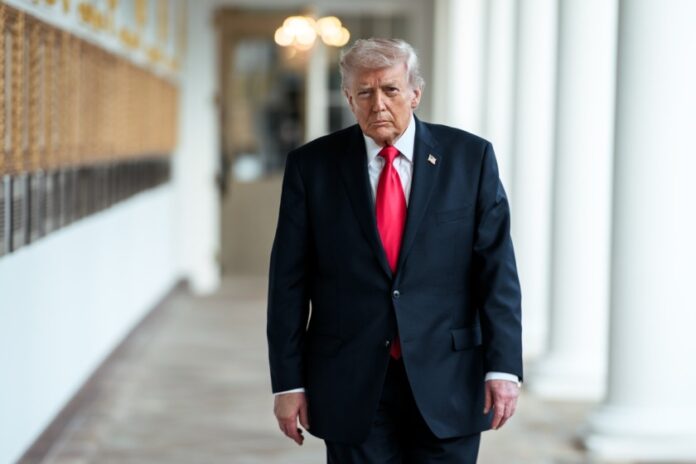
Fresh tension emerged in the ongoing negotiations between the United States and Iran after the Iranian delegation temporarily exited the talks in Switzerland. The disruption followed comments by US President Donald Trump, who warned Iran about its backing of Hezbollah, cautioning that military action might ensue if the situation in Lebanon did not stabilize. In response, Iranian officials issued assertive statements, indicating that their military forces were prepared to counter any threats.
Despite reports of the delegation’s departure, diplomatic insiders confirmed that Iran had not officially withdrawn from the discussions. Tehran remains engaged in the talks, which aim to implement a recently agreed upon US-Iran memorandum of understanding and to lay the groundwork for more comprehensive negotiations. These current talks primarily focused on executing the agreement and addressing the situation in Lebanon, rather than delving into Iran’s nuclear program.
The negotiations are taking place against a backdrop of heightened regional tensions, with recent clashes involving Hezbollah and Israel and growing concerns about possible disruptions in the Strait of Hormuz. In this context, Iran has reiterated its stance on maintaining its right to enrich uranium, while asserting that it does not seek nuclear weapons.
Both nations continue their diplomatic efforts, yet significant challenges persist, particularly regarding regional security issues and the ongoing violence in Lebanon. These hurdles present major obstacles to reaching a lasting agreement between the two countries.