
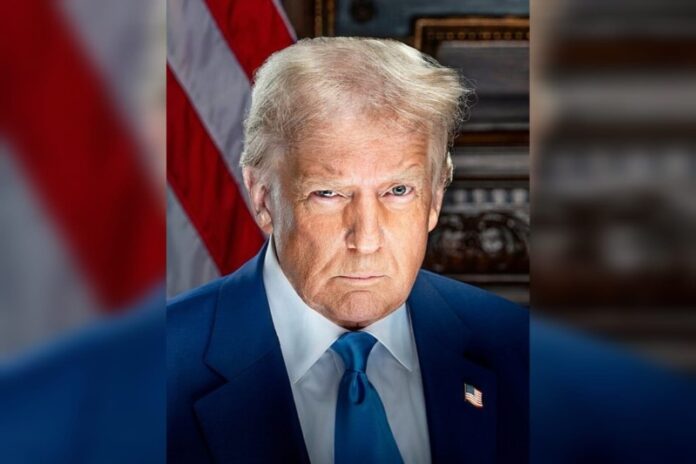
President Donald Trump has expressed optimism about an impending agreement with Iran, suggesting that negotiations are on the brink of a significant breakthrough. However, Iranian officials have countered this claim by highlighting that substantial differences still exist, indicating that a final deal has not yet been reached. Trump, after a detailed meeting with senior advisers at the White House, outlined key conditions for a potential agreement. These conditions include assurances from Iran that it will not pursue nuclear weapons, measures to ensure maritime security in the Strait of Hormuz, and limits on Iran’s stockpiles of highly enriched uranium.
Despite the hopeful tone from Trump, Iranian leaders have made it clear that talks remain ongoing and a conclusive understanding has yet to be achieved. Officials in Tehran have pointed out that while exchanges between the two sides continue, several unresolved issues are still on the table. Iranian representatives have reiterated their stance on maintaining national sovereignty and protecting strategic interests. Central to these interests are the management of the Strait of Hormuz and the future trajectory of the country’s nuclear program, with senior lawmakers emphasizing that Iran will not compromise on critical national security matters.
The discussions are unfolding against a backdrop of heightened regional tensions and concerns over the global energy markets. The Strait of Hormuz, a vital shipping route for oil and gas exports, holds significant importance for international trade and energy security. Thus, any agreement affecting this strategic waterway is of global interest. Recent weeks have seen diplomatic efforts involving regional mediators intensify, with multiple discussion rounds aimed at fostering stability and preventing further escalation. Although both parties have expressed a desire to avoid renewed conflict, differences over nuclear activities, sanctions, and security arrangements continue to impede progress.
Analysts point out that the divergent public statements from Washington and Tehran reflect the fragile nature of the ongoing negotiations. While there is cautious optimism about reaching an agreement, officials on both sides seem to be carefully managing expectations as the talks advance. At present, the outcome remains uncertain, with negotiators striving to bridge the remaining gaps and establish a framework that could ease tensions and promote long-term regional stability.