
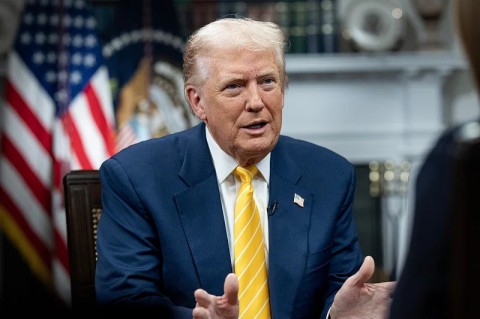
In a significant military move, former President Donald Trump announced the deployment of an additional 5,000 American troops to Poland. This decision, he stated, was influenced by his relationship with Polish President Karol Nawrocki. Nawrocki expressed approval, emphasizing that the presence of U.S. forces offers a crucial assurance of Poland’s security and underscores its strategic alliance with the United States.
The announcement has sparked broader concerns regarding the influence of political relationships on military deployments within NATO. Critics argue that tying troop placements to personal political support rather than a collective security strategy could undermine confidence in NATO’s commitments. This approach, they warn, might lead to uncertainty about future U.S. defense policies among allied nations.
The deployment decision has also reignited discussions in Europe about the need to enhance independent defense capabilities. Some argue that reducing reliance on American military protection is essential, especially as debates continue over NATO’s future role and military structure.
This strategic military move occurs amid ongoing tensions with Russia and regional security concerns in Eastern Europe. The decision highlights the complex dynamics at play in the region and underscores the importance of evaluating long-term strategies for maintaining security and stability within NATO.