
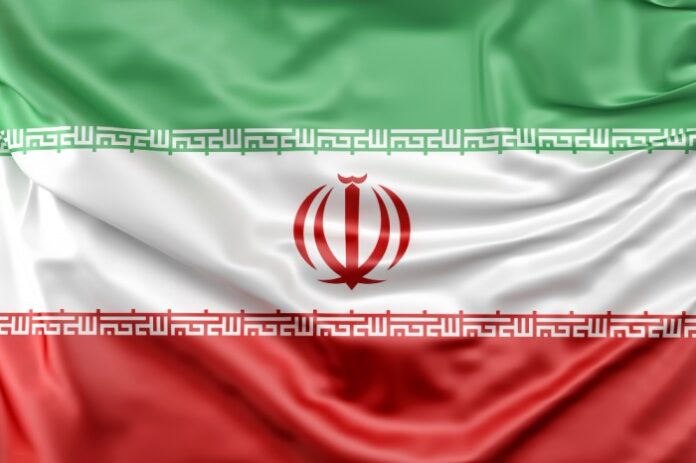
Iran has refuted claims that an imminent agreement with the United States is on the horizon, citing unresolved issues despite some progress in negotiations. Foreign ministry spokesperson Esmail Baghaei emphasized that while both sides have achieved understanding on several points, a final deal cannot be confidently expected soon. He attributed delays to conflicting statements from Washington and interference from Israel.
A significant part of the negotiations focuses on the reopening of the Strait of Hormuz for commercial shipping. Iran clarified its stance, stating that it does not intend to impose tolls on vessels but may charge fees for navigational and environmental protection services, working in coordination with Oman. Furthermore, Iran insists that any agreement must include a ceasefire in Lebanon and the lifting of restrictions on Iranian ports and shipping activities.
US Secretary of State Marco Rubio acknowledged that discussions are ongoing, describing the proposal as significant. The framework reportedly includes a 30-day period following a ceasefire during which Iran would remove mines from the Strait of Hormuz, ensuring full maritime access is reinstated. Concurrently, the US military has confirmed conducting strikes in southern Iran, targeting missile launch sites and boats allegedly preparing to lay mines. Washington has described these actions as self-defense while continuing to support diplomatic ceasefire efforts.
President Donald Trump has expressed that the final agreement must be either “great and meaningful” or there will be no deal at all. He also encouraged Middle Eastern nations to join the Abraham Accords and normalize relations with Israel, though regional leaders have reportedly shown limited interest. A key unresolved issue remains Iran’s stockpile of highly enriched uranium. While Tehran has indicated a willingness to temporarily reduce enrichment levels, it has rejected demands to transfer the uranium stockpile abroad. Additionally, Iran is seeking the release of billions of dollars in overseas frozen assets.
Iranian officials argue that political divisions within the US, including criticism from Congress and certain factions of the Republican Party, are adding pressure on the White House and complicating negotiations. The current proposed agreement does not encompass Iran’s ballistic missile program or its support for regional armed groups, making it less comprehensive than previous US demands.