The scale of the Strait of Hormuz crisis is best understood through its numbers. One-fifth of global oil exports. Sixteen tankers attacked. Sixteen years of recorded shipping industry history without a comparable supply disruption — now broken. Three ships in the EU’s Aspides mission. Zero warships committed by allied governments in response to President Trump’s call for a coalition. These numbers collectively define an emergency whose dimensions are unprecedented and whose resolution remains deeply uncertain. Trump posted on Truth Social calling on the UK, France, China, Japan, South Korea, and all oil-importing nations to send warships — but the most important number so far remains zero.
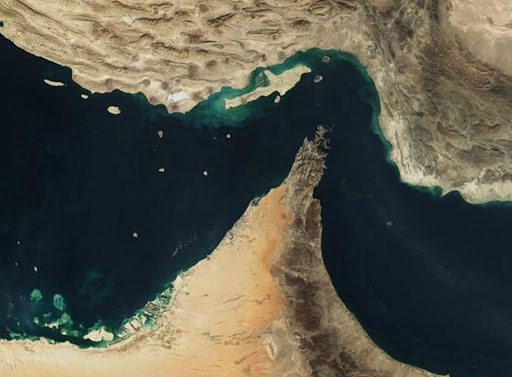
Iran launched its blockade at the end of February as retaliation for US-Israeli airstrikes. The passage it closed — through which one-fifth of global oil exports ordinarily flow — is approximately 21 miles wide at its narrowest point, which is now the most strategically consequential piece of water on earth. The 16 tanker attacks since the conflict began represent a rate of maritime violence with no modern precedent in the region. Tehran’s explicit threat to destroy any vessel heading for American, Israeli, or allied ports adds a qualitative dimension to the quantitative toll — making the blockade not just a physical closure but a credible threat that extends to any ship attempting transit.
The diplomatic response numbers are equally striking. France: zero warships pledged while fighting continues. UK: zero warship commitments, some drone discussions. Japan: zero deployments pending resolution of a very high threshold. South Korea: zero decisions pending careful multi-angle review. Germany: zero enthusiasm for expanding an EU mission it describes as ineffective. EU Aspides mission: three ships, none committed to the Hormuz area. US naval escorts in the strait: zero. The mathematics of the international response produce a clear result — the strait is undefended and will remain so until either the diplomatic situation changes or the political calculations of these governments shift.
The economic numbers are equally sobering. Oil prices have surged dramatically. The supply shortfall from the blockade is the largest ever recorded. Strategic petroleum reserves that were designed for short-term disruptions are being drawn down against an open-ended crisis. Insurance premiums for vessels attempting strait transit have reached extraordinary levels. The cumulative economic cost of each additional week of closure grows as supply chains adjust, alternative routes reach capacity, and the macroeconomic pressure from higher energy prices builds across oil-importing economies worldwide.
China’s diplomatic numbers offer the only positive data point in the picture. Reports of active discussions with Tehran about allowing tankers to pass suggest that progress, however slow and uncertain, is being made. The Chinese embassy confirmed China’s commitment to constructive regional engagement. US Energy Secretary Chris Wright expressed hope that China would prove a constructive partner, noting active dialogue with multiple nations. The question is whether the diplomatic numbers can improve fast enough to change the zero warships and the unprecedented supply disruption numbers that define the Hormuz crisis’s devastating bottom line.