
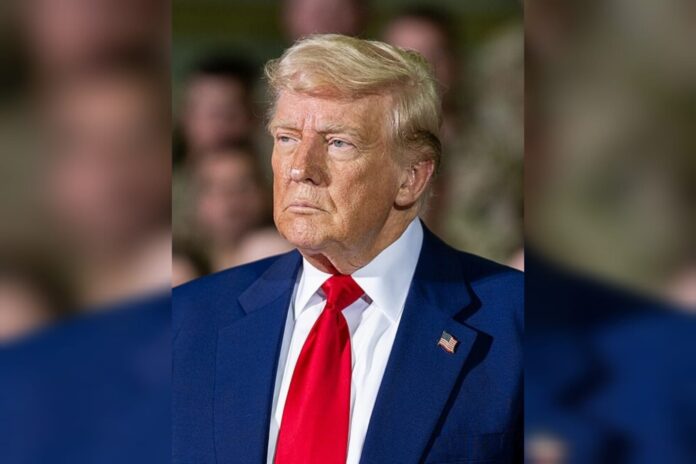
The recent memorandum of understanding (MOU) between the United States and Iran, signed by President Donald Trump, has sparked a range of global reactions, highlighting differing perspectives on its potential impact. While some leaders view it as a diplomatic breakthrough to ease tensions, critics are concerned that it offers substantial concessions to Tehran without guaranteeing firm commitments regarding its nuclear program.
Praise for the agreement came from Pakistan’s Prime Minister Shehbaz Sharif, who emphasized its role in reopening the Strait of Hormuz and facilitating renewed dialogue between Washington and Tehran. Leaders of the G7 echoed this sentiment, acknowledging the deal as a crucial move to prevent Iran from advancing its nuclear weapons capabilities and to stabilize global energy markets. The agreement specifies that Iran will reopen the Strait of Hormuz, while the U.S. will relax certain sanctions related to Iranian oil exports and financial transactions. Over the next 60 days, both nations are expected to engage in discussions concerning Iran’s nuclear activities and its enriched uranium reserves.
However, the deal has been met with strong opposition in Israel, where political figures and former officials argue that lifting economic constraints might empower Iran without securing effective restrictions on its nuclear endeavors. Some Israeli opposition leaders have expressed frustration over the perceived exclusion of the Israeli government from the negotiation process, warning that the agreement could pose increased security risks for Israel.
In the United States, reactions have been mixed. Some Republican lawmakers cautiously endorse the diplomatic initiative, recognizing the reopening of the Strait of Hormuz and the easing of hostilities as positive developments. Yet, others, including several Democratic leaders, criticize the deal for offering Iran economic relief while yielding only vague promises regarding its nuclear agenda. President Trump hailed the agreement as a notable achievement for the U.S., whereas Iranian officials celebrated it as a testament to their effective negotiation tactics.